Ecommerce Marketing: The Complete Digital Strategy Guide for 2026
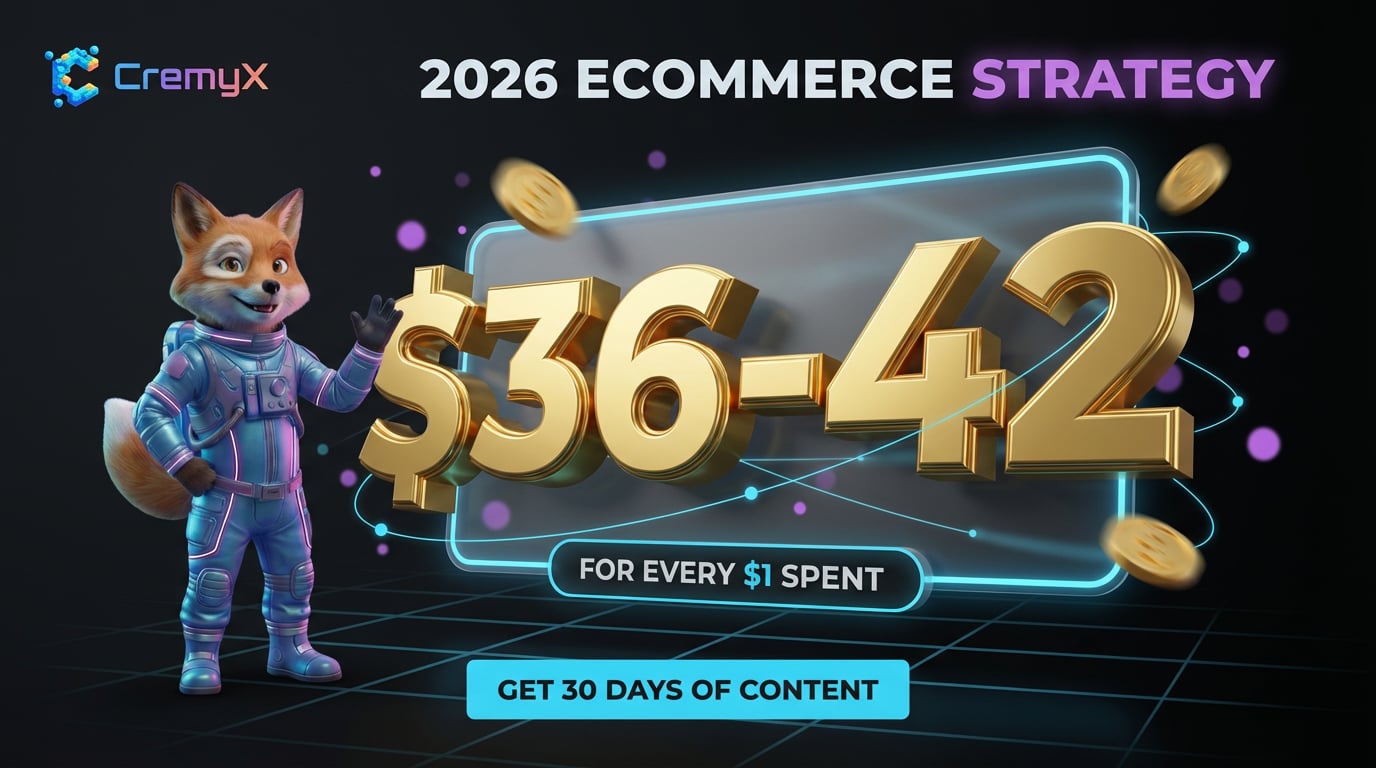
Ecommerce digital marketing in 2026 demands a multi-channel strategy that combines organic content, paid advertising, email automation, and AI-powered optimization. Whether you're running a Shopify store, Amazon FBA business, or DTC brand, this guide covers every essential strategy for driving traffic, conversions, and repeat purchases.
The 2026 Ecommerce Marketing Landscape
The ecommerce landscape has shifted dramatically. Social commerce now accounts for 20%+ of online purchases, AI-generated content is standard practice, and customers expect personalized experiences at every touchpoint. Here's how to compete effectively.
1. Social Media Marketing for Ecommerce
Social media is no longer just an awareness channel — it's a direct sales channel. Instagram Shopping, TikTok Shop, and Facebook Marketplace are converting browsers into buyers without leaving the platform.

Platform Strategy
- Instagram — Product showcases, lifestyle photography, shoppable posts, Reels with product demos
- TikTok — Authentic product reviews, unboxing videos, trend-jacking with your products
- Facebook — Community building, customer groups, targeted advertising
- Pinterest — Evergreen product pins, style guides, seasonal collections
Content That Converts
The highest-converting ecommerce social content follows these patterns:
- User-generated content (UGC) — Real customers using your products (3x higher conversion than brand-produced content)
- Behind-the-scenes — Manufacturing process, packaging, team culture
- Before/after transformations — Especially effective for beauty, fitness, and home products
- Comparison content — Your product vs alternatives, with honest pros and cons
Tools like CremyX generate brand-consistent social media content for ecommerce businesses. Import your store URL, and AI creates product showcase posts, promotional images, and captions optimized for each platform — all matching your brand's visual identity.
2. Email Marketing for Ecommerce
Email marketing delivers $36-42 ROI per $1 spent — the highest of any marketing channel. Essential ecommerce email flows:

| Flow | Trigger | Expected Revenue Impact |
|---|---|---|
| Welcome Series | New subscriber | 15-25% of email revenue |
| Abandoned Cart | Cart abandonment | Recovers 5-15% of lost carts |
| Post-Purchase | Order confirmed | Drives reviews + repeat purchases |
| Win-Back | 90 days since last purchase | Reactivates 3-8% of lapsed customers |
| Browse Abandonment | Viewed product, didn't add to cart | 2-5% conversion rate |
3. Content Marketing for Ecommerce
Content marketing builds organic search traffic and establishes brand authority. Effective ecommerce content includes:
- Buying guides — "How to choose the right running shoes for your foot type"
- Comparison articles — " vs [Competitor]: Honest Review"
- How-to tutorials — "5 ways to style our new fall collection"
- Customer stories — Case studies featuring real customer transformations
4. Paid Advertising Strategy
A profitable ecommerce ad strategy uses a multi-funnel approach:
- Top of funnel (Awareness) — Video ads, UGC content, brand storytelling on TikTok and Instagram
- Middle of funnel (Consideration) — Product comparison ads, testimonials, retargeting website visitors
- Bottom of funnel (Conversion) — Dynamic product ads, cart abandonment retargeting, limited-time offers
5. SEO for Ecommerce
Organic search drives 30-40% of ecommerce traffic. Key optimization areas:
- Product page optimization (unique descriptions, alt text, schema markup)
- Category page content (buying guides, FAQs)
- Technical SEO (site speed, mobile optimization, structured data)
- Blog content targeting informational keywords in your niche
6. Influencer & UGC Marketing
Micro-influencers (10K-100K followers) deliver the best ROI for ecommerce brands. Focus on authentic partnerships where influencers genuinely use and love your products. CremyX can help create UGC-style videos that look authentic without the influencer cost.
7. Customer Retention Strategies
Acquiring a new customer costs 5-7x more than retaining an existing one. Build loyalty through:
- Loyalty/rewards programs
- Subscription options for consumable products
- Exceptional post-purchase experience (packaging, follow-up, support)
- Exclusive access for repeat customers
8. The Power of Personalization in Ecommerce Marketing
In 2026, generic marketing is dead. Customers expect personalized experiences tailored to their individual needs and preferences. This means leveraging data to deliver the right message, to the right person, at the right time.
Examples of Ecommerce Personalization
- Personalized Product Recommendations: Based on browsing history, purchase history, and items in their cart, suggest relevant products that customers are likely to buy. Amazon is a master of this, consistently showing "Frequently bought together" and "Customers who bought this item also bought" recommendations.
- Personalized Email Marketing: Segment your email list based on demographics, purchase behavior, and engagement. Send targeted emails with personalized product recommendations, discounts, and promotions. For example, a customer who frequently buys running shoes might receive an email featuring new arrivals or a discount on running apparel.
- Personalized Website Experiences: Use dynamic content to tailor the website experience to each visitor. Show different banners, product recommendations, and even website layouts based on their past behavior.
- Personalized On-Site Search: Improve search results by understanding user intent and providing relevant suggestions. For example, if a user searches for "black dress," the search results should prioritize black dresses that are in stock and match their size and style preferences.
How to Implement Personalization
Implementing personalization requires a robust data infrastructure and the right technology. Here are some key steps:
- Collect Data: Gather data from various sources, including website analytics, email marketing platforms, CRM systems, and social media.
- Segment Your Audience: Divide your audience into meaningful segments based on demographics, behavior, and purchase history.
- Choose the Right Tools: Invest in personalization tools that can help you deliver personalized experiences across different channels.
- Test and Optimize: Continuously test and optimize your personalization efforts to improve results. A/B test different messages, offers, and product recommendations to see what works best for each segment.
9. AI-Powered Ecommerce Marketing Automation
Artificial intelligence (AI) is revolutionizing ecommerce marketing by automating tasks, improving efficiency, and enhancing personalization. From AI-powered chatbots to predictive analytics, AI is transforming the way businesses interact with customers.
AI Applications in Ecommerce Marketing
- AI-Powered Chatbots: Provide instant customer support, answer frequently asked questions, and guide customers through the purchase process. Chatbots can also collect valuable data about customer needs and preferences.
- Predictive Analytics: Use AI to analyze data and predict future trends, such as customer churn, product demand, and marketing campaign performance. This allows you to make proactive decisions and optimize your marketing efforts.
- AI-Driven Product Recommendations: Improve product recommendations by using AI to analyze customer behavior and identify patterns. This can lead to higher conversion rates and increased sales.
- AI-Generated Content: Automate the creation of marketing content, such as product descriptions, social media posts, and email subject lines. CremyX is a prime example of this, generating brand-consistent content at scale.
Industry Benchmarks and Metrics
To gauge the effectiveness of your ecommerce marketing efforts, it's crucial to track key performance indicators (KPIs) and compare them against industry benchmarks. Here are a few important metrics and benchmarks:
- Conversion Rate: The percentage of website visitors who make a purchase. According to HubSpot, the average ecommerce conversion rate is around 1-3%.
- Customer Acquisition Cost (CAC): The cost of acquiring a new customer. This varies widely depending on the industry and marketing channels used, but a general rule of thumb is to keep CAC below 30% of the customer's lifetime value.
- Customer Lifetime Value (CLTV): The total revenue a customer is expected to generate over their relationship with your business. Increasing CLTV is a key goal of customer retention strategies.
- Email Open Rate: The percentage of recipients who open your emails. According to Mailchimp, the average email open rate for ecommerce is around 15-25%.
- Cart Abandonment Rate: The percentage of shoppers who add items to their cart but don't complete the purchase. Baymard Institute estimates the average cart abandonment rate to be around 70%.
Key Takeaways
Key Takeaways for Ecommerce Marketing in 2026:
- Embrace personalization to deliver tailored experiences.
- Leverage AI to automate tasks and improve efficiency.
- Focus on customer retention to maximize lifetime value.
- Utilize social commerce to drive direct sales.
- Optimize for mobile to capture the growing mobile audience.
- Track key metrics and benchmarks to measure success.
Your Ecommerce Marketing Checklist
- ✅ Set up automated email flows (Welcome, Abandoned Cart, Post-Purchase)
- ✅ Create a consistent social media posting schedule (3-5x/week minimum)
- ✅ Optimize product pages for SEO
- ✅ Launch a retargeting campaign for website visitors
- ✅ Build a UGC collection system (request photos/videos from happy customers)
- ✅ Use CremyX to generate brand-consistent content at scale
The most successful ecommerce brands in 2026 combine brand consistency with smart automation. Focus on building systems — not doing everything manually.
👉 Related: AI Marketing for Fashion & Ecommerce | Best AI Marketing Tools 2026 | How to Save Time with AI Content Calendar
Ready to supercharge your ecommerce marketing? Sign up for CremyX today and start generating high-converting content that drives sales.